
Circle City Schools Converting Students to Entrepreneurs
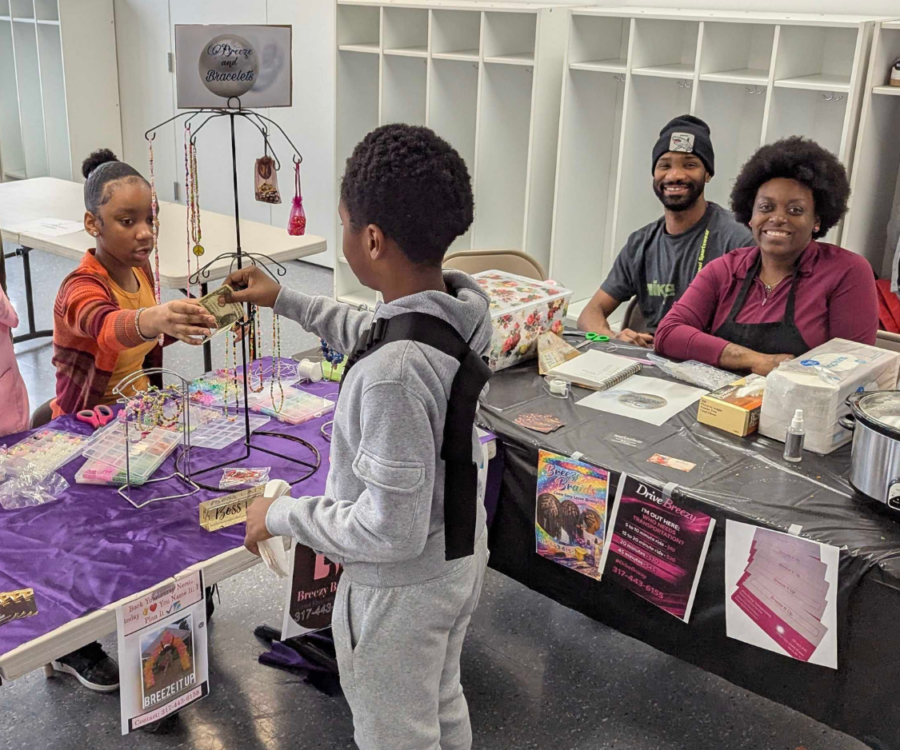
Across Indianapolis, schools are finding new ways to connect learning beyond the classroom, creating opportunities for students to explore their interests, build confidence, and engage with their communities in meaningful ways. These experiences help students see what’s possible for their futures.
Through their annual Local Business Bazaar, a vision comes to life at Circle City Schools (CCS), which is a network of two schools: Circle City Prep (CCP) and ACE Prep Academy (ACE Prep). This CCS event brings together students, families, and local entrepreneurs in a shared space of creativity, connection, and real-world learning.
From Student Side Hustles to a Thriving Business
On a rainy Saturday, the Circle City Schools’ 5th annual Local Business Bazaar brought together students, families, and local entrepreneurs for a day of connection, creativity, and commerce at ACE Prep. Despite the weather and a new location, the event drew over 70 guests and featured 37 vendors, filling the space with a lively energy.
What began as a few students selling snacks and handmade bracelets during the school day has grown into a highly anticipated annual event, driven in large part by organizer Rebah Ginn, Director of Culture and Afterschool Programming at Circle City Schools. Inspired by her students and her love of community markets, she saw an opportunity to create something bigger: a space where young entrepreneurs and local businesses could come together and thrive.
“It’s not about having everything figured out,” Rebah said. “It’s about giving students the chance to try, to create something, and to see that what they have to offer matters right now.”
Building a Market Rooted in Community
Over the years, the bazaar has evolved to better serve both vendors and attendees. After its first year as a weeknight event tied to Black History Month programming, it transitioned into a standalone weekend event, removing scheduling barriers and creating more space for participation and growth.
Planning begins months in advance, but her work extends far beyond logistics. Rebah actively seeks out vendors at other markets, building relationships and encouraging them to join the bazaar, efforts that helped bring in a strong mix of new and returning participants this year.
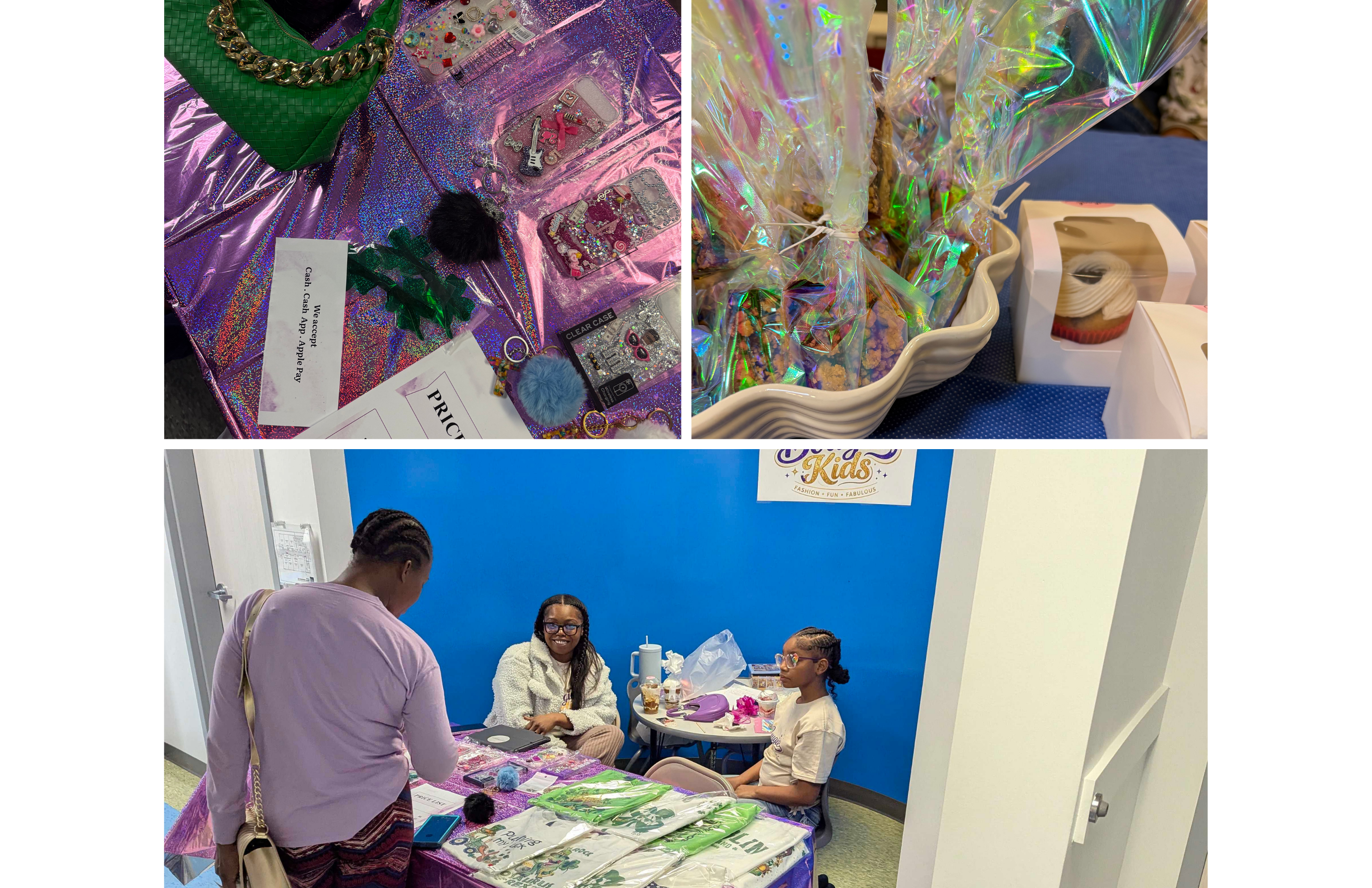
A key feature of the bazaar is its accessibility. Vendors participate free of charge, making it an especially valuable opportunity for small businesses, many of which operate without a brick-and-mortar location, to showcase their products, connect with customers, and grow their brand. This year, 14 of the 37 vendors were new, while about half were returning participants, reflecting both growth and sustained community interest.
From handmade goods to specialty items, the variety of offerings reflected the creativity and entrepreneurial spirit within the community. Several vendors reported strong sales throughout the day, with some nearly selling out of their products.
“I had over 50 lemon bars, 30 pieces of cake, 50 dubai chocolate cups, 40 sweet potato pies, and more. It all went very rapidly, and I am very appreciative of that,” a vendor exclaimed.
“I had a whole bunch, but it’s all gone,” another vendor said. “I didn’t know how this event would go, but this has been great for me!”
Where Students Step Into Leaders
At the heart of the event, however, are the students.
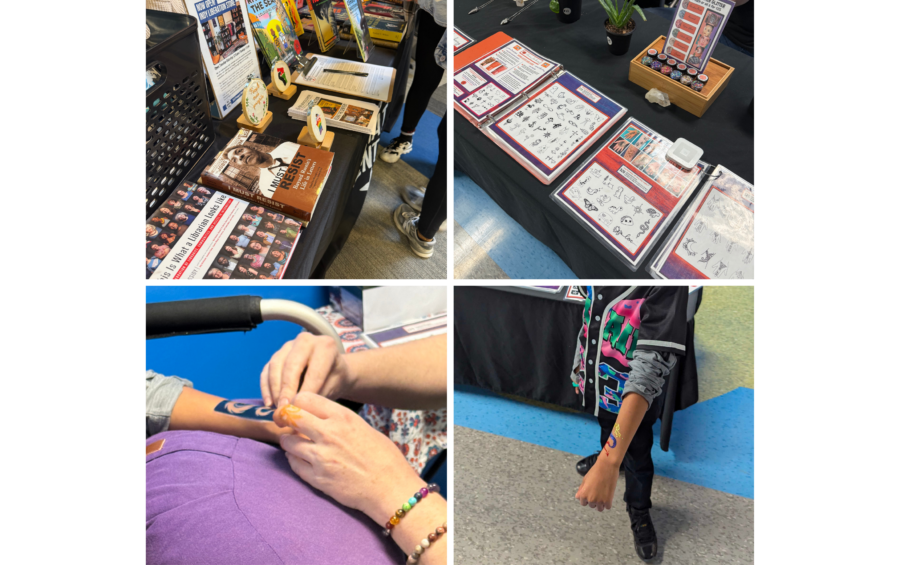
For many, the bazaar is more than just a market; it’s an opportunity to build confidence and step into their identities as entrepreneurs. Students who may begin the day feeling reserved often grow more comfortable and engaged as they interact with customers and share their work.
That growth was visible throughout the event. While speaking with a vendor, one student entrepreneur confidently approached, handing out business cards for his table downstairs. “Hello! Have you been downstairs? We are in the cafeteria,” and he handed us his business card for pastries and went to collect more potential customers, treating the moment like a true networking opportunity.
After asking another student how she would explain her product, lip gloss, she simply said, “It’s popping.” Students sold a wide range of creative items. From cell phone cases, fun shirts, cups, you name it, a student had fun creating it.
Moments like these are exactly what the event hopes to cultivate. Encouraging students to think like entrepreneurs has helped create a culture where participation feels accessible. Some students start without a formal business, but as the bazaar approaches, they find ways to create products and take part. That sense of confidence and ownership extends beyond individual booths and into the broader community.
“My favorite moment was watching a CCP student confidently hand out business cards for her business to a vendor upstairs,” Rebah said. “The vendor immediately poured into her, asking questions, encouraging her, and speaking to her future. Seeing that exchange between a Black woman entrepreneur and a young Black girl was incredibly powerful, and exactly what this event is meant to create.”
Looking Ahead: Expanding Opportunity and Impact
At its core, the Community Business Bazaar reflects a broader belief. Young people have real value to offer, and strong communities are built when people show up to support one another.
For now, the success of this year’s event is a clear reflection of what’s possible when students, families, and community members come together, not just to sell, but to support, connect, and grow.
“I want this to be an ongoing experience that community members can anticipate and rely on, especially vendors, so they know every year this is going to be a means of revenue,” Rebah said.
To learn more about this year’s vendors, click this link.